
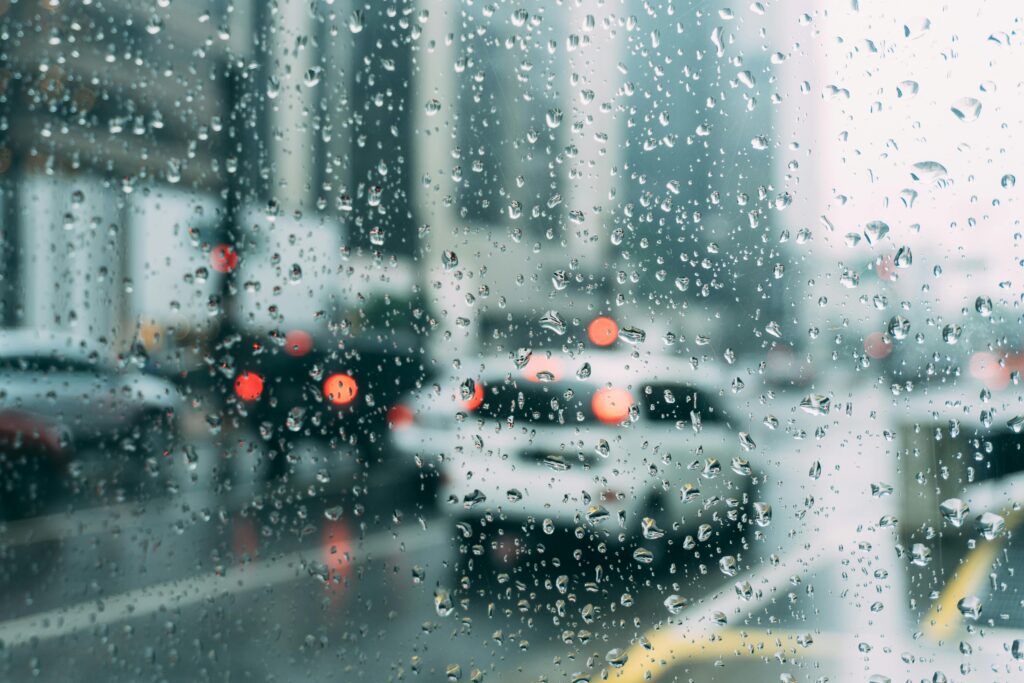
Driving in the Rain: Essential Safety Tips Every Driver Should Know
Rainy weather can turn even familiar roads into hazardous conditions. Reduced visibility, slick surfaces, and longer stopping distances make driving in the rain especially dangerous. Whether you’re commuting to work or heading out on a road trip, understanding how to stay safe behind the wheel during wet weather is crucial.
Why Rain Increases Driving Risks
When rain mixes with oil, dirt, and debris on the road, it creates a slippery surface that reduces tire traction. This increases the risk of skidding and hydroplaning, especially at higher speeds. Rain also limits visibility, making it harder to see road markings, traffic signs, pedestrians, and other vehicles.
Slow Down and Increase Following Distance
Speed is one of the biggest factors in rain-related accidents. Wet roads require more time and distance to stop, so reducing speed is essential. Increase your following distance to at least four to six seconds to give yourself enough time to react if traffic suddenly slows or stops.
Make Sure You’re Visible
Turn on your headlights whenever it’s raining, even during daylight hours. This helps you see the road more clearly and ensures other drivers can see you. Avoid using hazard lights while driving, as they can confuse other motorists. Use your windshield wipers at an appropriate speed to maintain clear visibility.
Watch Out for Hydroplaning
Hydroplaning occurs when your tires lose contact with the road and ride on a layer of water. If this happens, stay calm. Ease off the accelerator, avoid sudden braking, and steer gently in the direction you want the vehicle to go until traction returns.
Avoid Sudden Movements
Sharp turns, hard braking, and quick lane changes can cause loss of control on wet roads. Make all movements slow and deliberate. Brake earlier than usual, signal lane changes well in advance, and take turns at reduced speeds.
Keep Your Vehicle in Good Condition
Proper vehicle maintenance plays a key role in rainy-weather safety. Ensure your tires have adequate tread depth, your brakes are functioning properly, and your windshield wipers are in good condition. Check that all lights are working so you can see and be seen.
Be Extra Cautious in High-Risk Areas
Certain areas are more dangerous during rain, such as intersections, construction zones, bridges, and shaded roads where water may linger. Puddles can hide potholes or cause sudden hydroplaning, so avoid driving through standing water whenever possible.
Know When to Pull Over
If rain becomes too heavy and visibility drops significantly, it’s safer to pull over to a secure location until conditions improve. Use your hazard lights only when stopped or in an emergency situation.


