
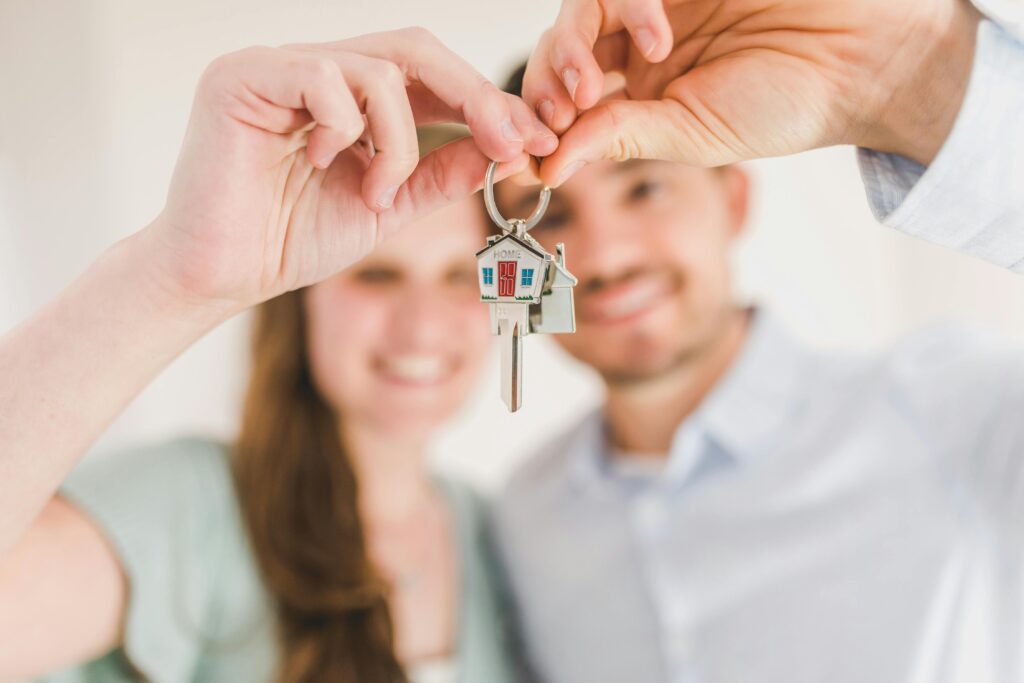
The Journey of Homeownership: More Than Just Owning a House
Becoming a homeowner is often seen as a major life milestone. It represents stability, independence, and the opportunity to build long-term wealth. But homeownership is about much more than signing papers and getting the keys—it’s an ongoing journey that blends responsibility, pride, and personal growth.
The Benefits of Being a Homeowner
One of the most rewarding aspects of owning a home is the sense of ownership itself. Unlike renting, homeowners have the freedom to personalize their space, renovate rooms, and truly make the house feel like home. From choosing paint colors to landscaping the yard, every decision reflects personal taste and lifestyle.
Financially, homeownership can also be a smart long-term investment. As mortgage payments are made, equity builds over time. Property values may increase, and owning a home can provide stability against rising rental costs. In many cases, homeowners also benefit from tax advantages and the potential for generational wealth.
Responsibilities That Come With the Keys
While the benefits are significant, homeownership comes with real responsibilities. Maintenance and repairs are part of everyday life, whether it’s fixing a leaky faucet, replacing a roof, or servicing heating and cooling systems. Planning for these expenses is essential to avoiding stress down the road.
Homeowners are also responsible for property taxes, insurance, and ensuring their home remains safe and up to code. These obligations require organization, budgeting, and proactive planning—but they also encourage homeowners to be more engaged and informed.
Creating a Sense of Community
Owning a home often strengthens ties to a neighborhood. Homeowners tend to stay in one place longer, fostering relationships with neighbors and contributing to local communities. This stability can lead to safer neighborhoods, stronger schools, and a greater sense of belonging.
Tips for Successful Homeownership
- Budget beyond the mortgage: Always plan for maintenance, utilities, and unexpected repairs.
- Stay proactive with maintenance: Regular inspections can prevent costly issues later.
- Think long-term: Renovations and upgrades should add both comfort and value.
- Protect your investment: Adequate insurance and emergency savings are key.


